

Welcome to this week’s Four For Friday. Four topical stories focused on healthspan, systems change and AI for impact.

1. Rich families want to invest in impact, their advisers don’t know how
A BCG survey of more than 100 funders and advisers finds that impact investing understood but barely used: nearly 75% know of impact-first investing, deploying grants, guarantees and cheap debt to lure in market-rate money, yet only 21% commit much to it.
Hardly for want of cash: US giving hit a record $617bn in 2025, with $320bn more idling in donor-advised funds. The bottleneck is advisers, 42% of whom find the instruments too complex, versus 6% of wealthy individuals. With only 20-27% of heirs keeping their parents’ adviser, fluency looks like job insurance.
The So What: Advisor know-how is the bottleneck holding back impact capital.
2. Ford Foundation allocates capital to saving democracy
Talking of where the donors want to put their money, The Ford Foundation ($17bn assets, disbursing around $700m / year) has unveiled a new strategy, focusing its mission on ‘the preconditions for thriving democracies’. There are seven funding areas:
democratic governance and the rule of law
inclusive economies
information as a public good
safety and justice
gender equality
global cooperation, and
racial justice
Given the link between corruption and inefficiency, more work supporting the roots of democracy seems smart. Operationally the foundation is shifting to larger, multiyear general operating support and has created an Office of Innovation.
The So What: One of philanthropy’s biggest balance sheets is starting to treat democratic infrastructure, rather than individual projects, as the asset class.
3. Rutger Bregman to impact investors: don’t try and make a market in everything
Speaking at Norrsken Impact Week in Barcelona, historian and social-agitator / moral conscience Rutger Bregman told a room of impact investors that the most neglected problems tend to have no business model.
His example: malaria kills around 600,000 people a year, most of them children under five, and it is solvable, but nobody can invest in it.
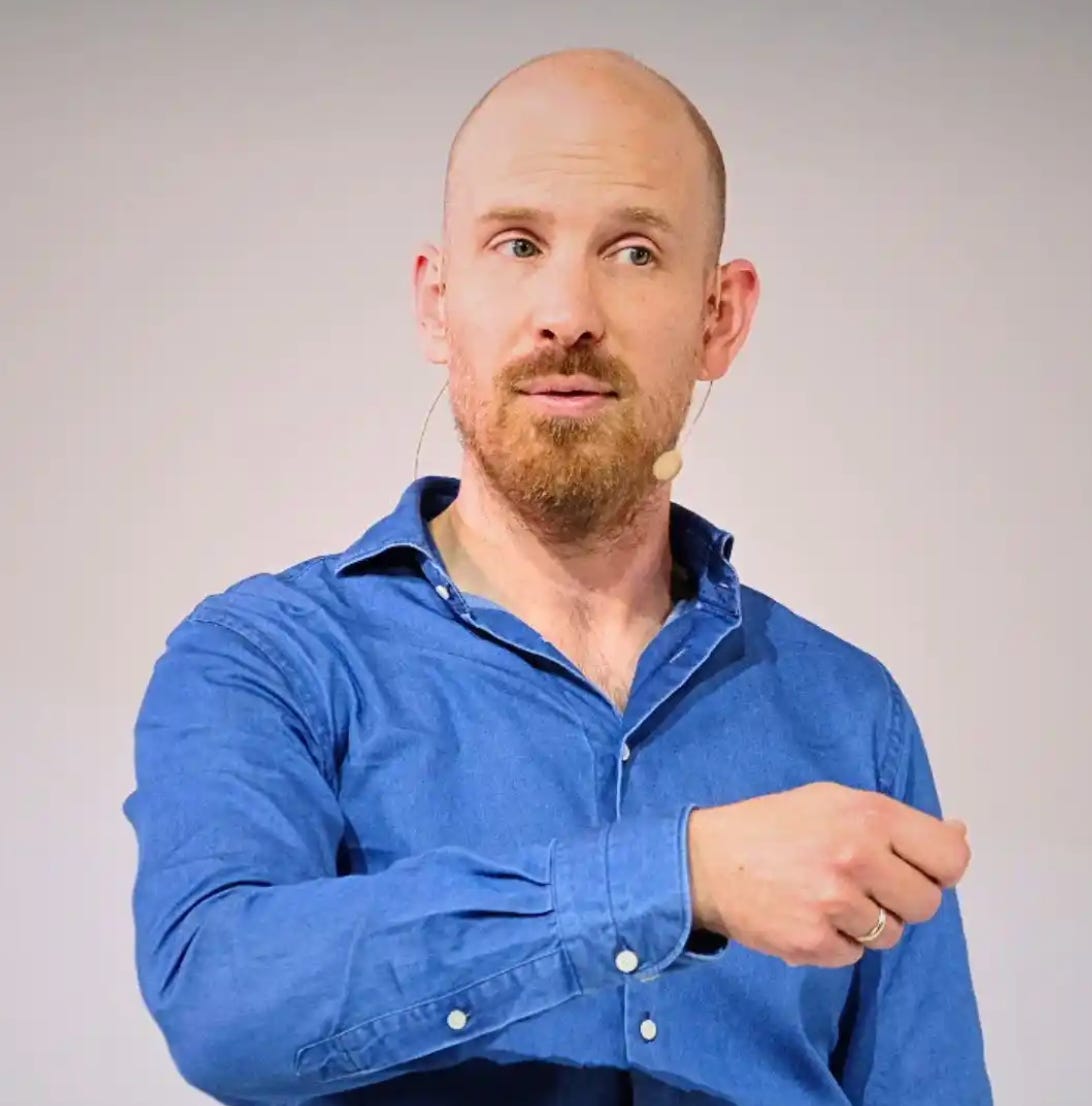
He dismissed the claim that impact funds match market returns, and pointed to alternative proteins, once expected to beat meat on taste and price, as a longer road than promised.
His closing question for mission-first investors: is it really about the impact, including when returns disappoint?
The So What: The honest edge of impact investing is that some problems still belong to philanthropy.
4. A coral comeback
Stanford researchers have documented the fastest known recovery from coral bleaching. In the lab, bleached coral fragments placed in brief contact with healthy clones from the same colony returned to full health within seven weeks.
Genetically identical corals recognise each other, and the healthy fragment transfers enough algae and nutrients to kickstart recovery within three days.
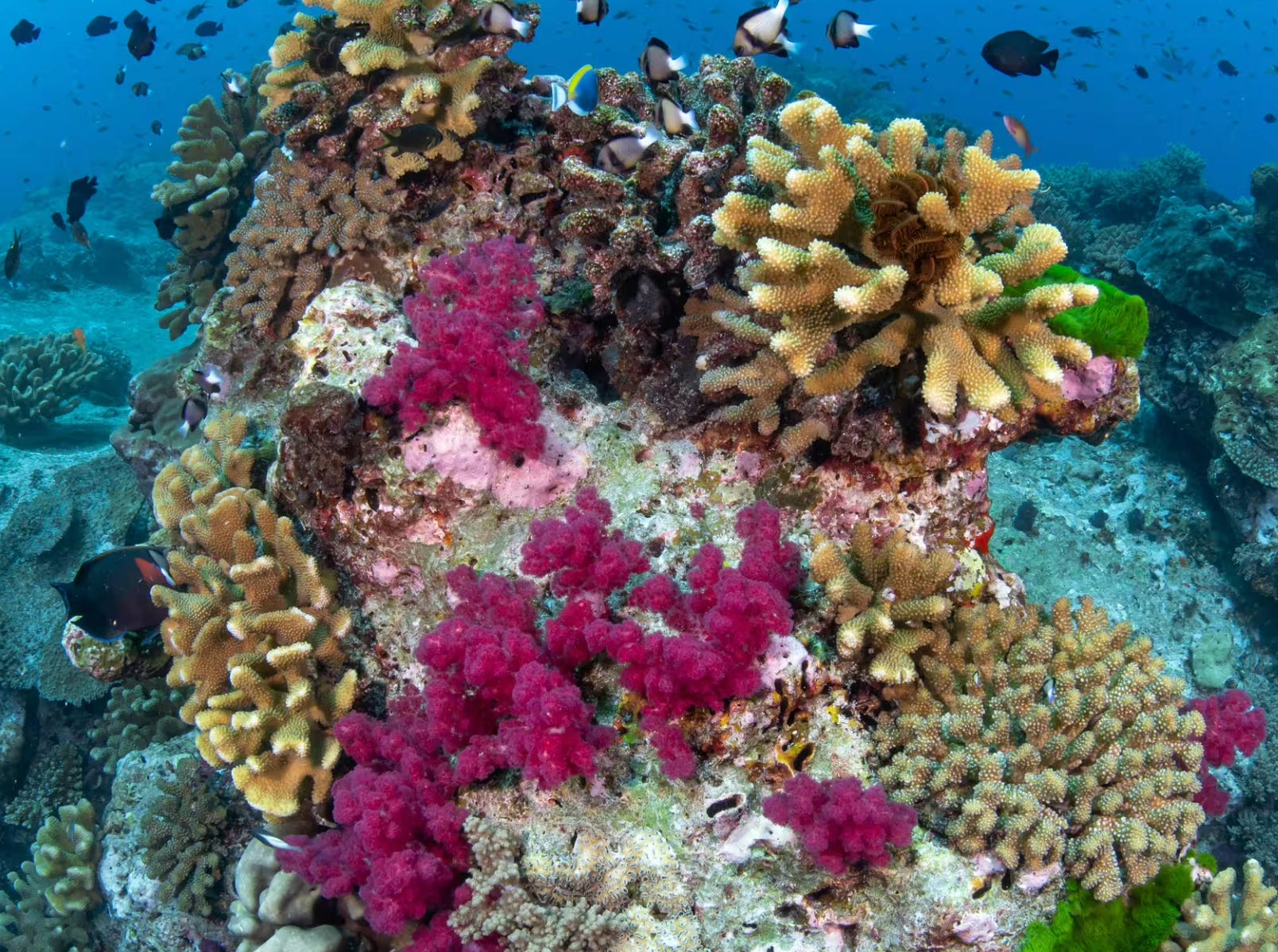
The finding suggests restoration could work by pairing rather than replanting. Obvious caveats matter: this is a lab result, and reefs in the wild face many more stressors, but as a lever, it is cheap and testable at scale.
The So What: Reef restoration may need matchmaking more than machinery.
That’s all for now — happy, safe weekend, everyone.
Stephen